
It can be worrying when a dog develops diarrhea about a week after receiving a vaccine. While mild digestive upset can occur after vaccination, diarrhea that begins a week later is not necessarily caused by the vaccine.
Dogs can develop diarrhea for many reasons, including dietary changes, stress, intestinal infections, parasites, or other gastrointestinal problems. The timing of vaccination may simply coincide with the onset of an unrelated condition.
Table of Contents
Dog Diarrhea Week After Vaccine: Here's Why
A dog may develop diarrhea a week after vaccination because of a delayed digestive response, stress, or an unrelated gastrointestinal problem. Most mild vaccine reactions occur relatively soon after vaccination and are temporary, so diarrhea appearing a week later should be considered alongside other possible causes.
The type of vaccine, your dog’s age and health, recent diet or routine changes, and other symptoms can all help your veterinarian determine what may be happening.
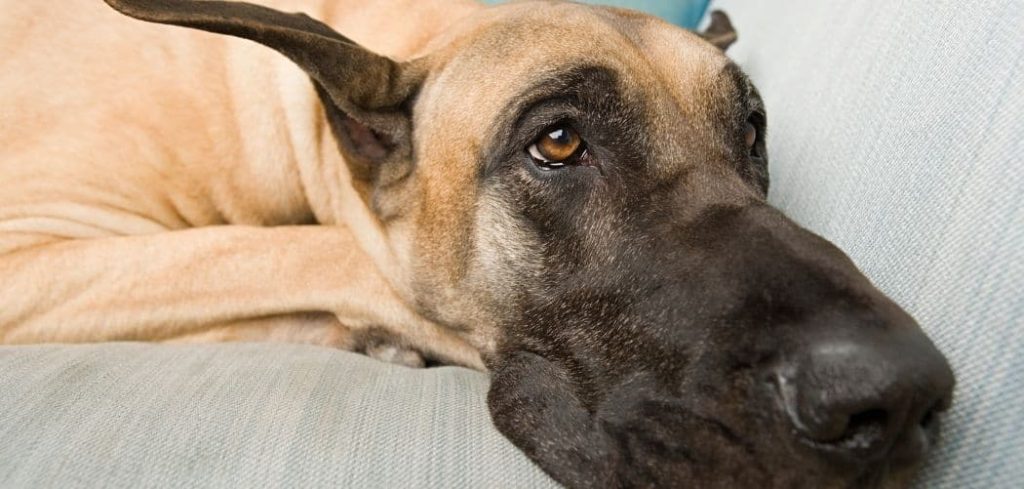
Dog Diarrhea Week After Vaccine: Common Causes
Post-Vaccination Reaction
Vaccines activate the immune system, and some dogs experience temporary side effects afterward. These can include tiredness, mild fever, reduced appetite, and occasional digestive upset.
However, diarrhea beginning a full week after vaccination is less typical of a simple vaccine reaction. If it occurs this late, other causes should also be investigated, particularly if the diarrhea is persistent or severe.
Read more: Dog side effects after vaccines (What’s normal and what’s not)
Stress
A veterinary visit, travel, unfamiliar surroundings, handling, or changes in routine can cause stress in some dogs.
Stress can affect normal intestinal function and lead to loose stools.
If the diarrhea is mild and your dog otherwise seems well, it may resolve as the dog’s routine returns to normal. Persistent diarrhea should still be evaluated.
Related: Dog Diarrhea After Vaccines (Causes and treatment)
Dietary Changes
A sudden change in food is a common cause of diarrhea. New treats, table scraps, a different brand of food, or dietary supplements can upset the digestive tract.
If you changed your dog’s diet around the time of vaccination, the food change may be more relevant to the diarrhea than the vaccine itself.
Intestinal Infection
Viral or bacterial gastrointestinal infections can cause diarrhea independently of vaccination.
Some infections cause only mild loose stools, while others can cause vomiting, lethargy, abdominal discomfort, fever, or loss of appetite.
If your dog develops significant gastrointestinal symptoms, a veterinarian can determine whether infection or another illness is responsible.
Related: Dog Diarrhea With Blood After Vaccine (Causes and treatment)
Intestinal Parasites
Parasites can cause diarrhea in dogs and may occur coincidentally after vaccination.
Some parasites produce intermittent or recurring diarrhea, while others can cause more persistent gastrointestinal problems.
A fecal examination may be recommended if diarrhea continues, returns repeatedly, or is accompanied by other symptoms.
Gastrointestinal Disease
Conditions such as pancreatitis, inflammatory intestinal disease, food intolerance, or other digestive disorders can cause diarrhea.
Additional signs may include vomiting, abdominal pain, reduced appetite, weakness, or weight loss.
A dog that develops persistent diarrhea a week after vaccination may need evaluation for these conditions rather than assuming the vaccine is responsible.
Coincidental Illness
A dog can become sick with an unrelated condition at any time. Because vaccinations are often given during routine veterinary visits, an unrelated gastrointestinal problem may happen to appear days afterward.
The timing of the diarrhea alone does not establish a connection with the vaccine.
When to Call or Visit the Vet
A single episode of mild diarrhea in an otherwise healthy dog may not require emergency treatment, but contact your veterinarian if the diarrhea continues, becomes frequent, or your dog develops additional symptoms. Seek veterinary attention if you notice:
Diarrhea that persists or repeatedly returns
Repeated vomiting or difficulty keeping water down
Blood or substantial mucus in the stool
Significant loss of appetite
Marked lethargy or weakness
Signs of dehydration
Abdominal pain or a swollen abdomen
Facial swelling, hives, difficulty breathing, collapse, or other signs of a severe allergic reaction
Dog Diarrhea Week After Vaccine: Treatment
Veterinary treatment for dog diarrhea a week after vaccination starts with a physical examination and assessment of hydration, abdominal health, and overall condition.
Depending on the severity and duration of the diarrhea, the veterinarian may recommend fecal testing, blood tests, or other diagnostic testing to investigate parasites, infection, gastrointestinal disease, or another underlying cause.
Treatment depends on the diagnosis and may include dietary management, fluids, prescription medication, or other supportive care.
Key Takeaway
Dog diarrhea a week after a vaccine is not necessarily a vaccine reaction. Although vaccination can occasionally be followed by temporary digestive upset, diarrhea that starts about a week later should also raise consideration of dietary changes, stress, parasites, infections, or other gastrointestinal problems.
The timing can be useful information for your veterinarian, but it does not establish causation.
Contact your veterinarian if diarrhea persists, becomes severe, or is accompanied by vomiting, blood in the stool, poor appetite, weakness, or dehydration. Seek urgent veterinary care if your dog develops difficulty breathing, facial swelling, collapse, or another severe reaction.


